

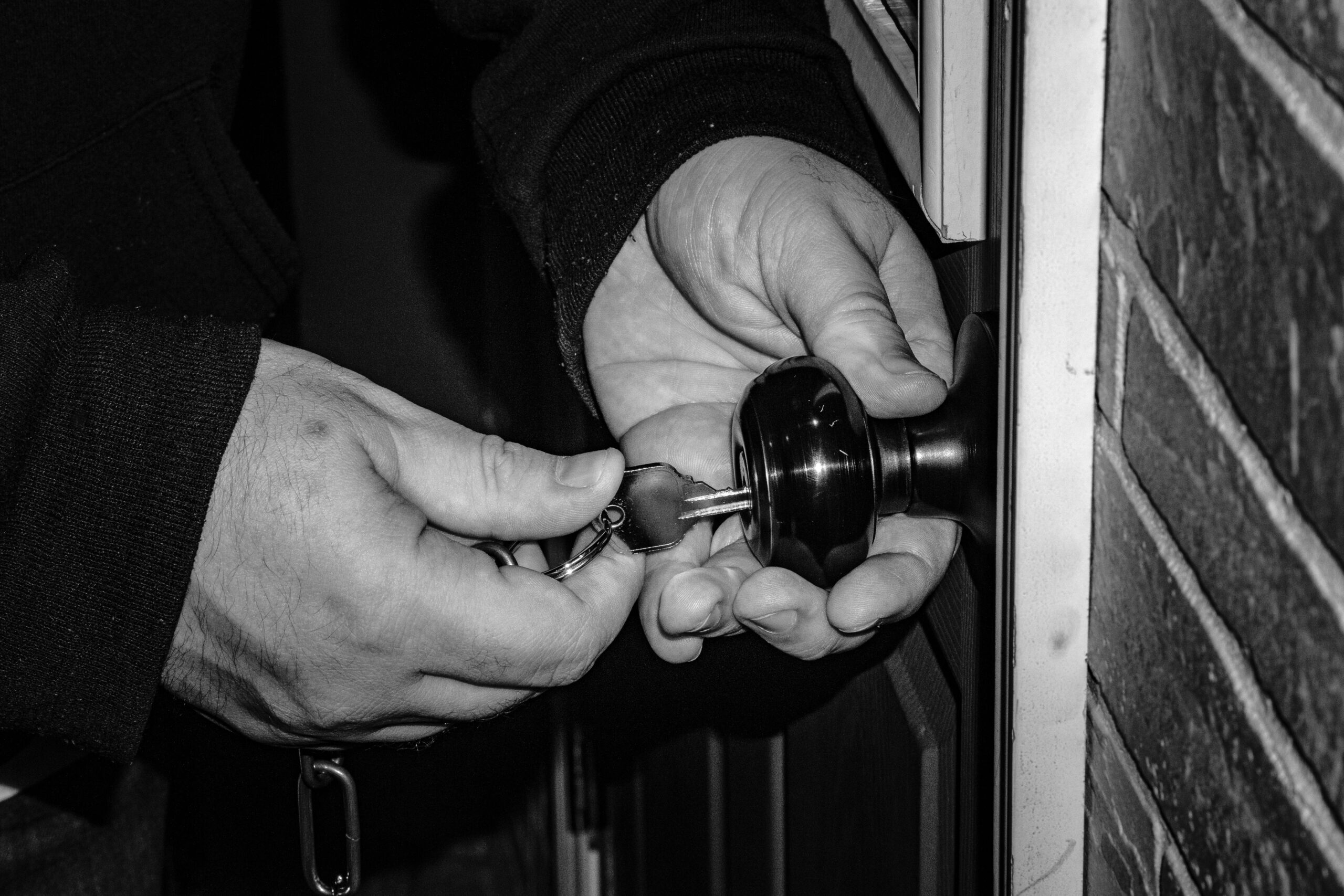
Your front door lock is something you use multiple times a day without thinking about it. Turn the key, hear the click, move on. But when that click starts to feel different, when the key sticks, when the handle needs an extra shove, or when the deadbolt only extends halfway, your lock is telling you something.
Across Medway, from the Victorian terraces in Rochester to the 1960s semis in Chatham and the newer builds in Strood, we see the same lock problems over and over again. Most of them start with small warning signs that get ignored until the lock fails completely.
Signs your lock is on its way out
- The key is getting harder to turn. If you are having to jiggle, wiggle or force the key to get the lock to engage, the internal pins or mechanism are wearing down. This gets worse over time, never better.
- You have to lift the door to lock it. This usually means the door has dropped slightly on its hinges and the bolt is no longer lining up with the strike plate. Sometimes adjusting the hinges fixes it, but if the lock mechanism is also worn, both need attention.
- The latch does not hold. If you can push the door open when it should be latched shut, the spring mechanism inside the lock has weakened. On a night latch this is a security risk because the door is effectively unlocked even when you think it is shut.
- The lock feels loose or rattly. Handles and lock bodies can work loose over time, especially on doors that get a lot of use. A wobbly lock is an unreliable lock.
- Visible rust or corrosion. Locks on exposed doors, particularly back doors and side gates, can corrode over time. Once rust gets into the mechanism, a repair is rarely enough.
- Your key has been copied too many times. Each generation of key copy loses a tiny bit of precision. If you are on a copy of a copy of a copy, the key may no longer operate the lock cleanly.
Repair or replace?
Not every problem needs a full replacement. A stiff lock might just need lubricating and adjusting. A door that has dropped can sometimes be fixed by tightening or repositioning the hinges. A strike plate that is slightly out of alignment can be moved in ten minutes.
But if the mechanism is genuinely worn out, if the cylinder has been compromised, or if the lock is an older model that no longer provides adequate security, replacement is the better option. A good locksmith will be honest about which situation you are in.
Common lock types in Medway homes
The type of lock on your door affects both the symptoms you will see and the replacement options available:
- Yale-type night latches. Very common on older properties across Rochester and Gillingham. They provide a basic level of security but should always be paired with a mortice deadlock for proper protection.
- Mortice deadlocks. The five-lever BS3621 deadlock is the standard most insurance companies require. If your front door does not have one, it is worth fitting regardless of whether the existing lock is failing.
- Euro cylinders. Found on most UPVC and composite doors. These are the most commonly targeted lock in burglaries because basic euro cylinders can be snapped out in seconds. If yours does not have anti-snap protection, replacing it is one of the best security upgrades you can make.
- Multipoint locks. These are the full-length mechanisms inside UPVC doors with multiple locking points. When the gearbox fails, the door may not lock at all.
When to call a locksmith
If your lock is showing any of the signs above, it is worth getting it looked at sooner rather than later. A ten-minute repair now is a lot less stressful than a lockout at midnight. And if the lock does need replacing, a locksmith can fit a new one on the same visit in most cases.
We cover Medway, Rochester, Chatham, Gillingham, Strood, Rainham and the surrounding areas. Call us for honest advice on whether your lock needs repairing, replacing, or just a bit of attention.

